

InfoSec professionals who want to get ahead in IT security should tackle at least one of these top five information security certifications.
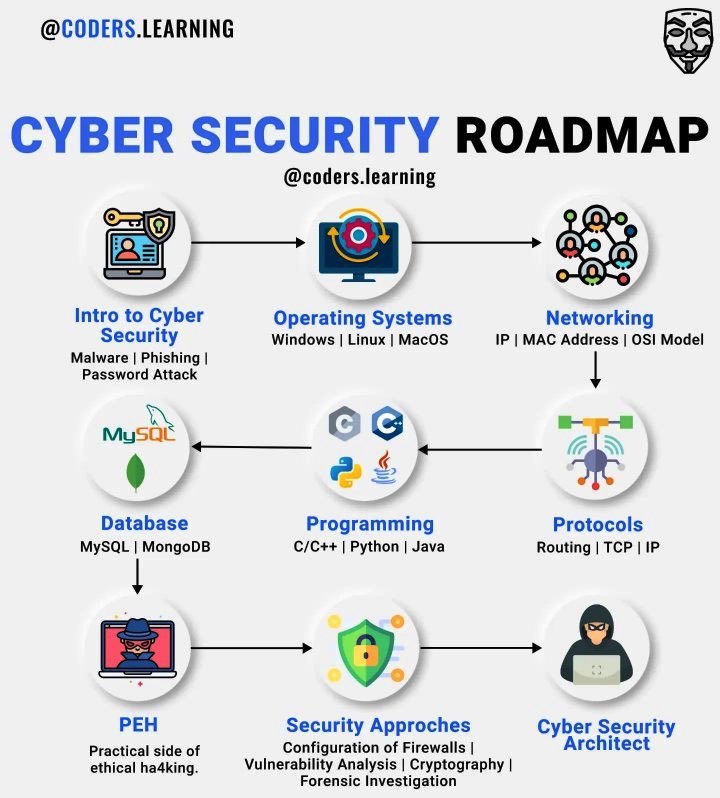
According to Cyber Risk Analytics‘ “2019 Midyear Quick View Data Breach Report,” the first half of 2019 saw more than 3,800 publicly disclosed breaches with more than 4.1 billion records exposed. This figure represents a 54% increase over reported breaches and a 52% increase in the number of compromised records compared with the same time frame in 2018. More than 60% of the reported breaches were the result of human error, highlighting an ever-increasing need for cybersecurity education, as well as highly skilled and trained cybersecurity professionals.
According to a Cyber Seek report, the number of cybersecurity job openings in the U.S. stands at almost 313,735, with nearly 716,000 cybersecurity professionals employed in today’s workforce. Projections continue to be robust further out: CSO expects that number to hit 500,000 by 2021, with more than 3 million cybersecurity jobs open worldwide that same year.
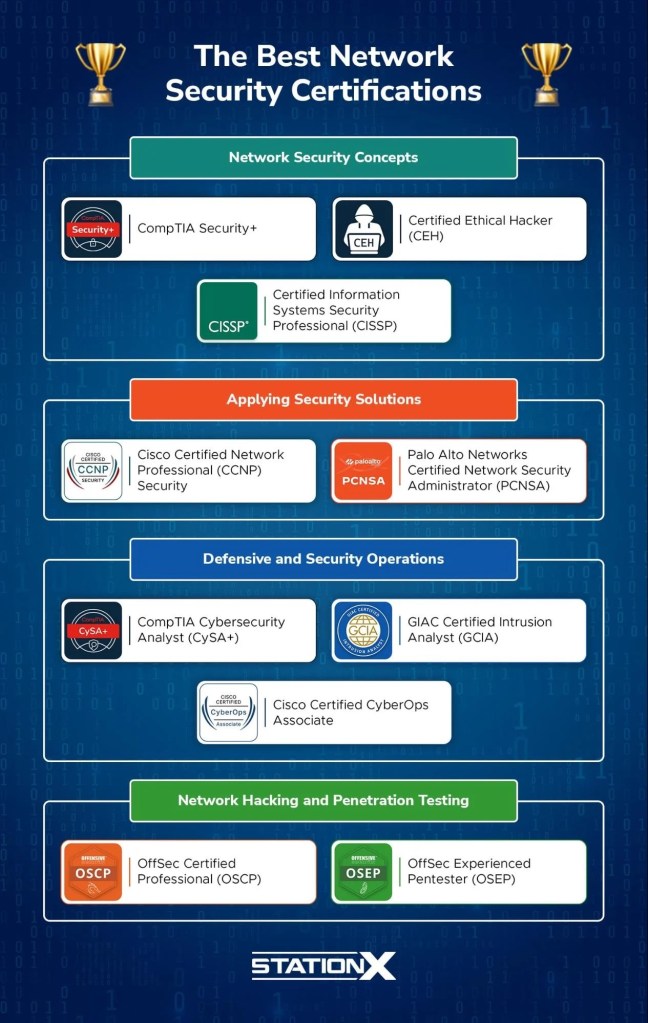
When evaluating prospective InfoSec candidates, employers frequently look to certification as an important measure of excellence and commitment to quality. We examined five InfoSec certifications we consider to be leaders in the field of information security today:
- CEH: Certified Ethical Hacker
- CISM: Certified Information Security Manager
- CompTIA Security+
- CISSP: Certified Information Systems Security Professional
- CISA: Certified Information Security Auditor
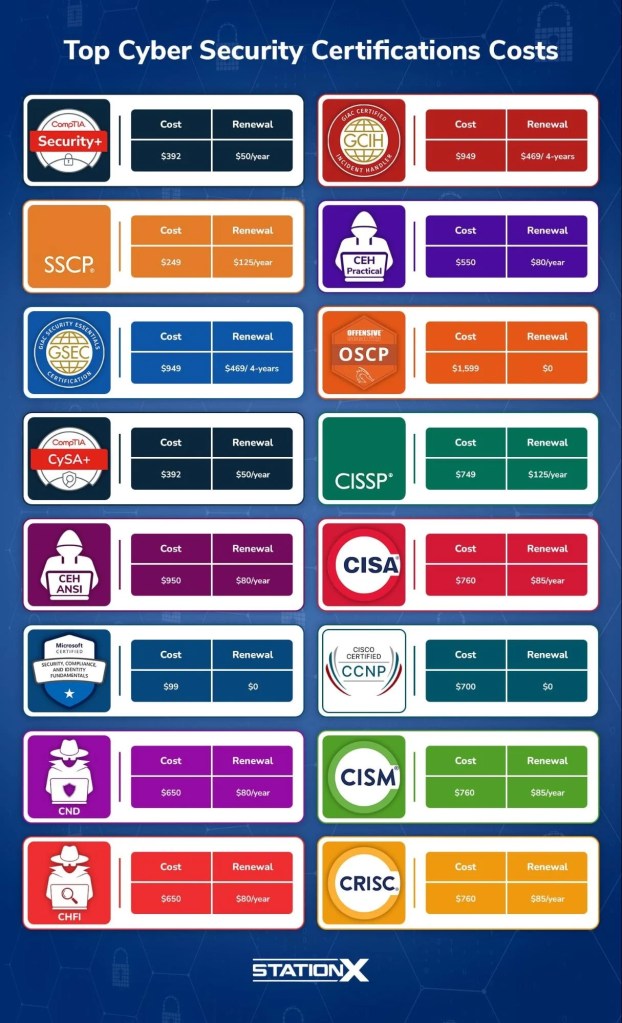
This year’s list includes entry-level credentials, such as Security+, as well as more advanced certifications, such as the CEH, CISSP, CISM and CISA. We also offer some additional certification options in the last section that cover choices outside our top five, because the field of information security is both wide and varied, with many other options. According to Cyber Seek, more employers are seeking CISA, CISM and CISSP certification holders than there are credential holders which makes these credentials a welcome addition to any certification portfolio.
Absent from our list of the top five is the SANS GIAC Security Essentials (GSEC). The GSEC is still a very worthy credential, but the job board numbers for the CISA were so solid that it merited a spot in the top five.
Security-related job roles cover a lot of ground, such as information security specialist, security analyst, network security administrator, system administrator (with security as a responsibility) and security engineer, as well as specialized roles like malware engineer, intrusion analyst and penetration tester.
Average salaries for information security specialists and security engineers – two of the most common job roles – vary depending on the source. For example, Simply Hired reports $30,263 for specialist positions, whereas Glassdoor’s national average is almost $68,000. For security engineers, Simply Hired reports almost $95,000, while Glassdoor’s average is more than $131,000, with salaries on the high end reported at $144,000.
If you’re serious about advancing your career in the IT field and are interested in specializing in security, certification is a great choice. It’s an effective way to validate your skills and show a current or prospective employer that you’re qualified and properly trained.
Before examining the details of the top five InfoSec certifications, check results from our informal job board survey. It reports the number of job posts nationwide in which our featured certs were mentioned on a given day. This should give you an idea of the relative popularity of each certification.


 Learn4school
Leave a comment