

To become a full stack PHP developer, you’ll need to master both front-end and back-end development using PHP. Here’s a roadmap to guide you:
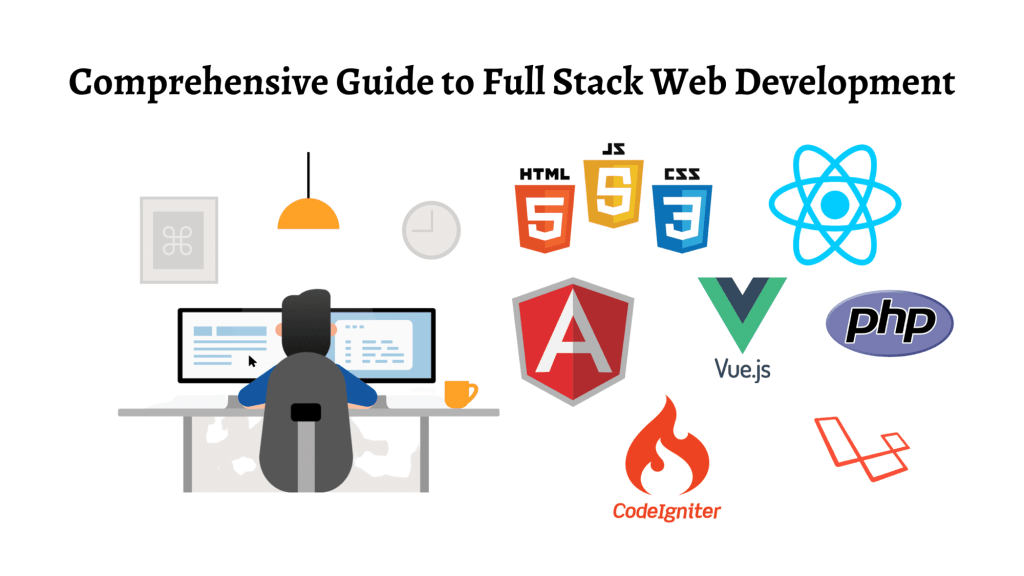
- Learn PHP: Start by mastering PHP programming language fundamentals, including syntax, data types, functions, and object-oriented programming concepts.
- Front-End Development:
- HTML/CSS/JavaScript: Learn the basics of web development, including HTML for structure, CSS for styling, and JavaScript for client-side interactivity.
- Front-End Frameworks: Familiarize yourself with front-end frameworks like Bootstrap, jQuery, or Vue.js to enhance your front-end development skills.
- Back-End Development:
- PHP Frameworks: Choose a PHP framework such as Laravel, Symfony, or CodeIgniter for back-end development. Learn how to use these frameworks to build robust web applications.
- Database Management: Understand how to work with databases like MySQL, PostgreSQL, or MongoDB using PHP for data storage and retrieval.
- RESTful APIs: Learn how to design and implement RESTful APIs to facilitate communication between the front-end and back-end of your applications.
- Version Control: Master Git for version control to manage your codebase efficiently and collaborate with other developers.
- Deployment: Learn how to deploy PHP applications to web servers using platforms like Apache, Nginx, or cloud services like AWS, DigitalOcean, or Heroku.
- Testing and Debugging: Familiarize yourself with testing frameworks and debugging tools for PHP development to ensure the quality and reliability of your code.
- Continuous Learning: Stay updated with the latest trends, best practices, and technologies in full stack PHP development through online tutorials, courses, and communities.
- Build Projects: Practice your skills by working on real-world projects that integrate both front-end and back-end technologies using PHP. Building projects will help you apply your knowledge and gain practical experience.
- Networking: Engage with the PHP developer community by participating in forums, attending meetups, and joining online communities to learn from others and share your experiences.
- Portfolio: Create a portfolio showcasing your PHP projects, skills, and accomplishments. Include descriptions of your projects, the technologies used, and any contributions you made. A strong portfolio will help you stand out to potential employers or clients.
By following this roadmap and continuously improving your skills through practice and learning, you can become a proficient full stack PHP developer. Stay motivated, be proactive in your learning, and don’t hesitate to seek help or advice from others in the community.


 Learn4school
Leave a comment