

Becoming a Java developer involves acquiring the necessary education, developing programming skills, and gaining practical experience. Here’s a comprehensive guide to help you on your journey:
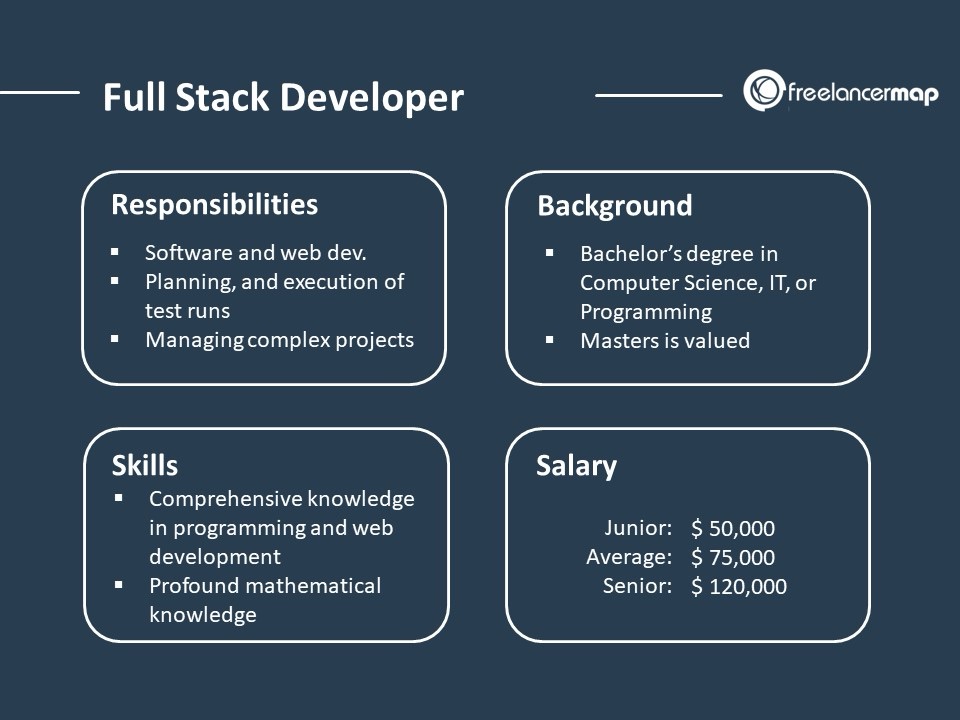
Educational Foundation
- Obtain a Relevant Degree:
- Bachelor’s Degree: While not always mandatory, a degree in computer science, software engineering, or a related field provides a strong foundation in programming and software development principles.
Learning Java
- Learn Java Basics:
- Syntax and Semantics: Start with the basics of Java syntax and semantics. Resources like “Head First Java” by Kathy Sierra and Bert Bates can be very helpful.
- Online Courses: Enroll in online courses on platforms like Coursera, Udemy, or edX. Courses such as “Java Programming and Software Engineering Fundamentals” by Duke University on Coursera can be a good start.
- Understand Object-Oriented Programming (OOP):
- Java is an object-oriented language, so mastering OOP concepts like classes, objects, inheritance, polymorphism, and encapsulation is essential.
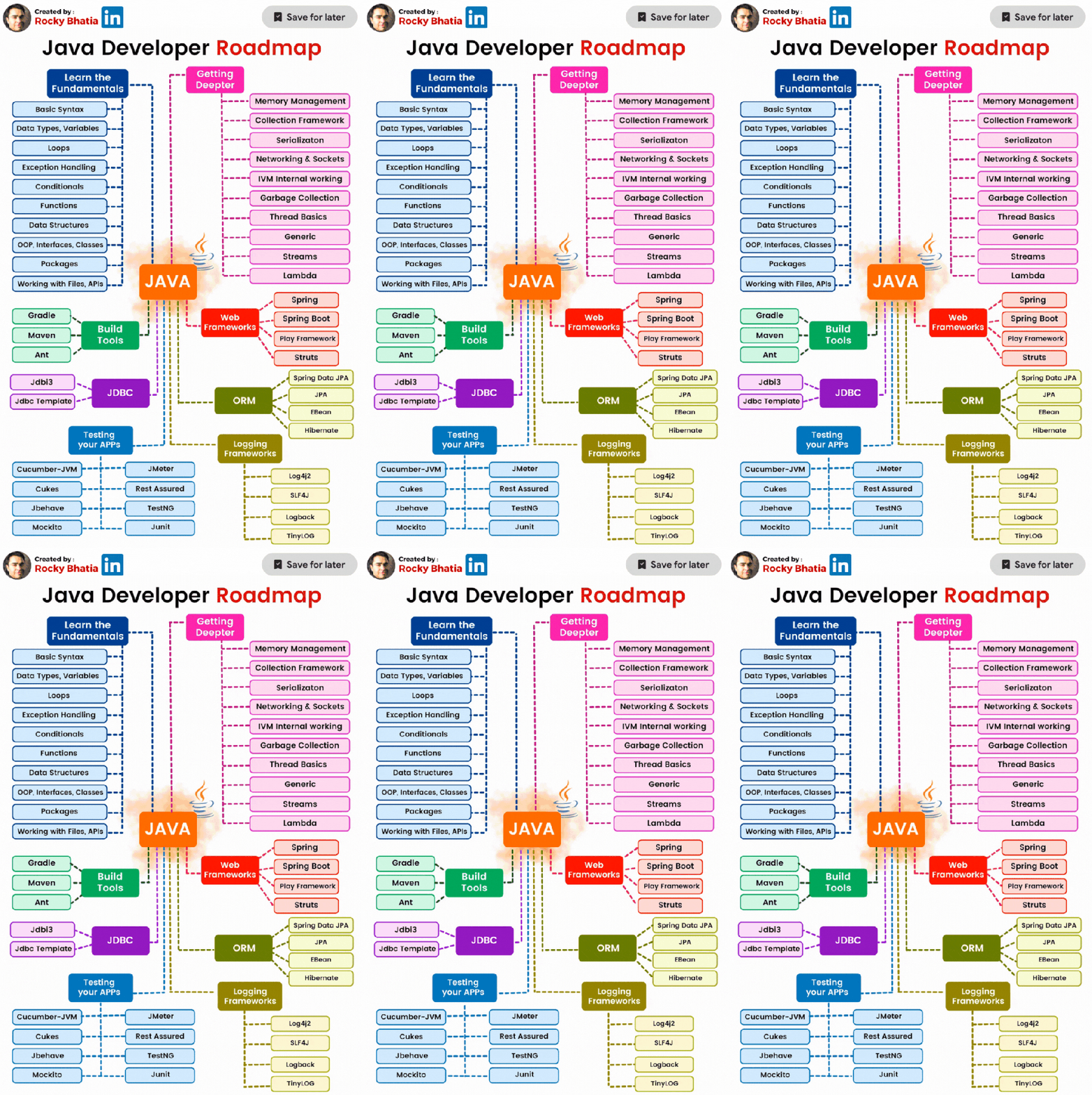
Advanced Java Concepts
- Learn Advanced Java:
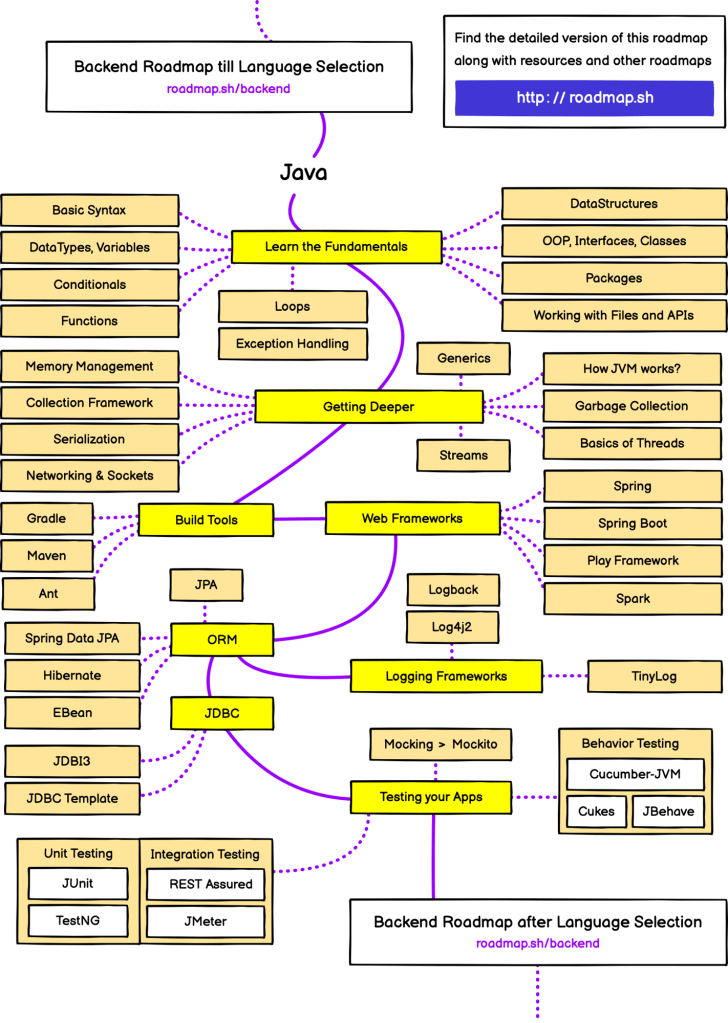
- Data Structures and Algorithms: Study common data structures (e.g., lists, stacks, queues, trees) and algorithms (e.g., sorting, searching).
- Exception Handling: Understand how to handle exceptions and errors in Java.
- File I/O: Learn to read from and write to files using Java.
- Multithreading and Concurrency: Gain knowledge of Java’s concurrency utilities and understand how to write multithreaded applications.
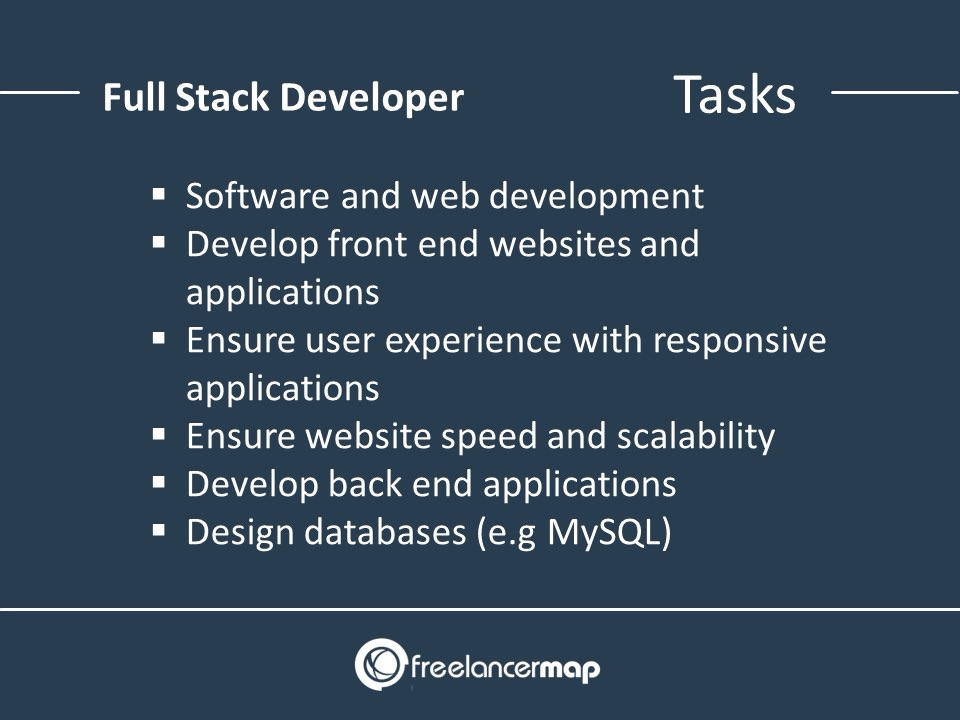
Development Tools and Practices
- Familiarize Yourself with Development Tools:
- IDEs: Learn to use Integrated Development Environments (IDEs) like IntelliJ IDEA, Eclipse, or NetBeans.
- Build Tools: Understand build tools like Maven and Gradle for managing project dependencies and automating builds.
- Version Control: Learn to use Git for version control. Platforms like GitHub or GitLab are essential for collaborating with others and showcasing your projects.
Practical Experience
- Work on Projects:
- Build various Java applications, starting from simple console-based applications to more complex ones like desktop or web applications.
- Open Source Contributions: Contribute to open-source Java projects. This can provide real-world experience and help you learn from other developers.
- Develop a Portfolio:
- Create a portfolio showcasing your projects, code samples, and any contributions to open-source projects. This demonstrates your skills to potential employers.
Frameworks and Libraries
- Learn Popular Java Frameworks and Libraries:
- Spring Framework: Understand the basics of the Spring framework, which is widely used for building enterprise-level applications.
- Hibernate: Learn Hibernate for Object-Relational Mapping (ORM) to interact with databases.
- JavaFX or Swing: For building desktop applications, learn JavaFX or Swing.
Advanced Topics
- Explore Java EE (Enterprise Edition):
- Learn about Java EE for building large-scale, distributed, and multi-tiered applications.
Continuous Learning
- Stay Updated:
- Java evolves, so keep up with the latest developments by following blogs, attending webinars, and participating in Java communities like Stack Overflow, Reddit, and JavaRanch.
Certification and Career Development
- Get Certified:
- Consider obtaining Java certifications such as Oracle Certified Professional Java Programmer (OCPJP) to validate your skills and improve your job prospects.
- Gain Work Experience:
- Look for internships or entry-level positions to gain practical experience. Real-world experience is invaluable and often necessary to advance your career.
- Network and Connect:
- Attend industry conferences, join local developer meetups, and participate in online communities. Networking can help you find job opportunities and connect with mentors.
- Apply for Jobs:
- Look for job openings as a Java developer. Tailor your resume and cover letter to highlight your skills, projects, and experience relevant to the job.
https://uk.indeed.com/career-advice/finding-a-job/how-to-become-java-developer
By following these steps, you can build a strong foundation in Java development and position yourself for a successful career in this field.


 Learn4school
Leave a comment